What “Tidy” Looks Like in a Minimalist Entryway
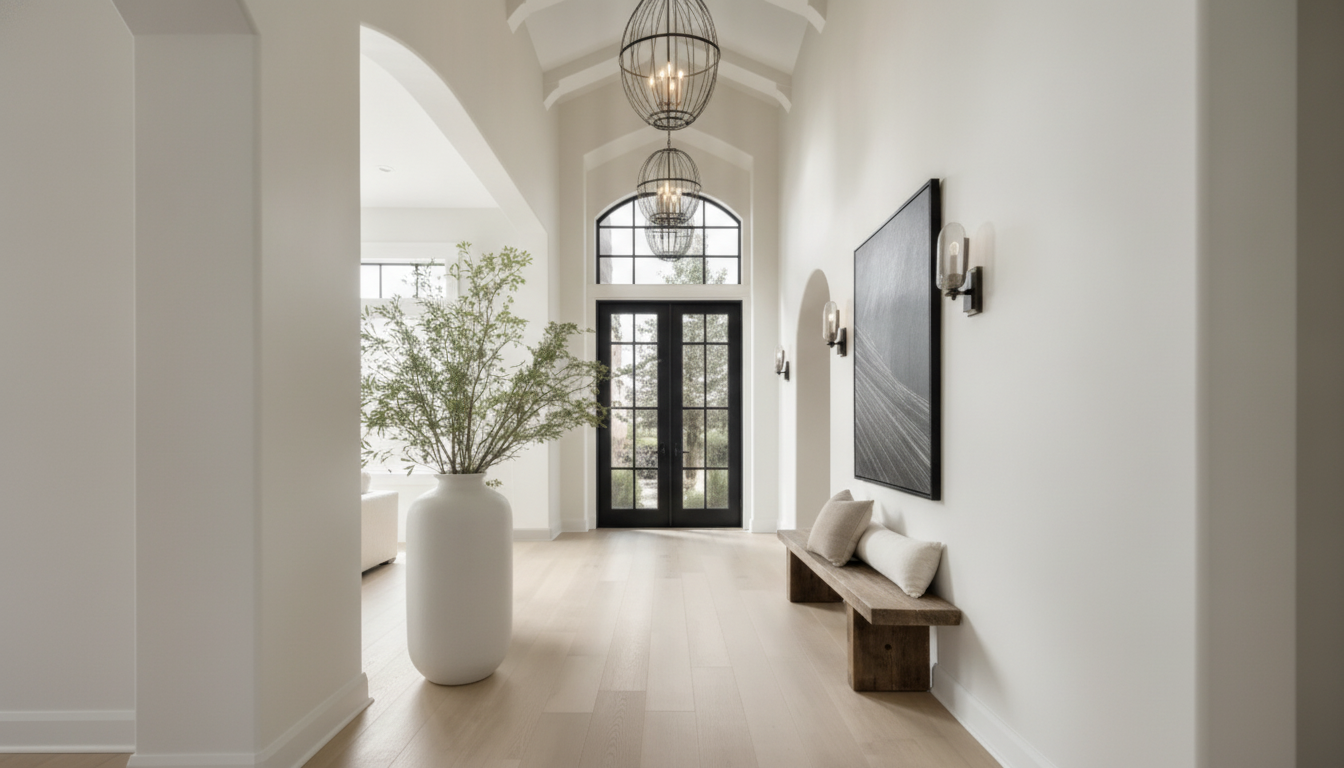
A minimalist entryway isn’t empty—it’s intentional. The goal is a space that resets quickly, looks calm at a glance, and doesn’t require a full clean-up every time someone walks in the door. For more guidance, see Entryway Essentials: How to Style and Organize Your Home Like a Pro.
- Clear surfaces: Your console, shelf, or ledge stays mostly open. Keep only true essentials visible (a small tray, key hook, lamp, or one plant).
- Defined drop zones: Shoes, outerwear, bags, and mail each get a single “home,” so nothing becomes a roaming item.
- Fast floor fix: The walkway stays open, and a quick sweep or vacuum is easy because clutter is contained.
- Visual calm: Fewer items out in the open; storage is closed or curated (one basket, a slim cabinet, a simple hook rail).
- Maintenance-friendly: “Tidy” means repeatable—not perfect. If it can’t be reset in minutes, it’s too complicated.
The 2-Minute Daily Reset (No Overthinking)
This is the habit that keeps your entryway from turning into a landing pad for everything. Do it right after coming home or as a quick last step before bed. For further reading, see 8 Organized Entryway Essentials – Abby Lawson.
- Return shoes to the shoe zone: Slide pairs onto the tray, into the rack, or under the bench—no strays in the walkway.
- Hang coats and bags immediately: Skip the “just this once” chair pile. One-touch is the rule.
- Empty pockets into a catchall: Keys, sunglasses, earbuds, coins—one small tray prevents countertop scatter.
- Trash/recycle at the door: Toss flyers, receipts, and packaging before they migrate into the kitchen or living room.
- Quick floor scan: Pick up grit, leaves, or pet-tracked debris so it doesn’t spread deeper into the home.
A Simple Weekly Routine (10–15 Minutes)
Weekly maintenance is where “clean” meets “tidy.” It’s short, focused, and designed to protect the systems you set up.
- Wipe high-touch points: Doorknob, light switch, hooks, and the console surface.
- Shake out or vacuum mats: Runner, doormat, and the corners where dirt collects.
- Sort the paper stack: File, shred, or action—nothing goes back to the pile without a clear next step.
- Reset containers: Straighten shoes, fold reusable bags, and return umbrellas to their holder.
- Swap seasonal extras back to storage: Keep only the gear you’re currently using near the door.
For guidance on smart disinfecting (especially for high-touch areas), the CDC’s cleaning and disinfecting recommendations are a helpful reference. If dust and tracked-in particles are an issue, the EPA’s indoor air quality tips can help you reduce what circulates indoors.
Monthly Refresh: Keep the System from Backsliding
Once a month, do a slightly deeper reset so your entryway doesn’t quietly accumulate overflow.
- Declutter the “mystery bin”: Anything without a clear owner or purpose gets handled right then—return it, donate it, or toss it.
- Clean deeper: Baseboards, inside the shoe tray, and behind/under benches or cabinets.
- Audit storage capacity: If shoes overflow weekly, either reduce what lives at the door or switch to a better-fit solution (vertical rack, slim cabinet).
- Check supplies: Restock lint roller, stain remover, hand wipes, or a small pet-wipe station if you use one near the entrance.
- Seasonal rotation: Move off-season gear out of prime space so daily essentials stay effortless.
Set Up Drop Zones That Prevent Clutter
The fastest way to maintain a tidy entryway is to make “put away” easier than “set down.” Keep the number of zones small and obvious.
Printable Checklist vs. Digital Use: Choose the Format That Gets Used
Weekly Entryway Maintenance Map
| Area |
Common Clutter |
Quick Fix |
When |
| Console/Surface |
Mail, keys, random items |
Tray + 2-slot mail sorter; clear nightly |
Daily + Weekly wipe |
| Floor/Mat |
Dirt, leaves, wet footprints |
Shake out mat; quick vacuum/sweep |
Daily scan + Weekly clean |
| Hooks/Outerwear |
Coats and bags piling up |
One hook per person; rotate seasonal items |
Daily reset + Monthly audit |
| Shoes |
Overflow and tripping hazards |
Shoe tray or rack; limit visible pairs |
Daily return + Monthly declutter |
A Ready-to-Use Entryway Checklist (Copy-Friendly)
If you want a ready-made version that’s easy to print or keep on your phone, use this internal download: Entryway maintenance checklist printable and digital download.
Make It Effortless: Small Habit Tweaks That Keep the Door Area Clean
Helpful Add-Ons (Optional)
FAQ
What should be stored in an entryway to keep it minimalist?
Store only daily-use, in-season essentials: keys/wallet in a tray or hook spot, one frequently worn pair of shoes per person, current outerwear, and a simple two-slot mail system. Keep backups, sports gear, and off-season items elsewhere to protect the reset routine.
How often should an entryway be cleaned?
A quick daily reset (2–5 minutes) prevents clutter, a weekly wipe/vacuum handles grime and touch points, and a monthly deeper clean plus declutter keeps the system from overflowing. This cadence stays manageable while keeping the space guest-ready.
How do I stop shoes and bags from piling up by the door?
Give each item a specific home (one hook per person for bags/coats, one shoe spot per person) and cap the capacity so overflow is obvious. Pair that with a nightly two-minute reset to return strays before they become a pile.
Recommended for you





Leave a comment