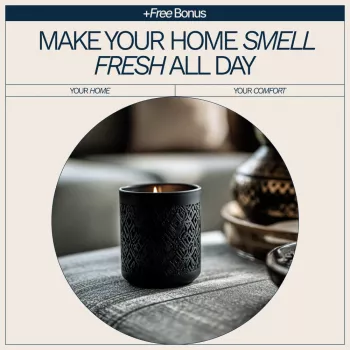
A home that smells fresh all day isn’t built on stronger fragrance—it’s built on removing what’s causing the odor in the first place. Before lighting a candle or turning on a diffuser, do a fast scan for the usual suspects: kitchen trash, sink drains, damp towels, pet bedding, litter boxes, shoes, and musty closets.
Try a two-minute walk-through and “sniff test” the zones that hold scent the longest: soft items (rugs, couches, curtains) and wet areas (kitchen, bathroom, laundry). Then use the rule of thirds: (1) remove the source (empty/clean), (2) neutralize it (deodorize), and (3) refresh lightly. Skipping the first two is why odors bounce back by lunchtime.
Keep a small odor kit ready so you don’t have to hunt for supplies: microfiber cloths, enzyme cleaner (for pets and organic spills), baking soda, white vinegar, dish soap, and a drain brush.
When your day starts with stale air, every room feels a little “off.” A quick morning reset makes freshness feel effortless because it prevents buildup instead of chasing it later.
| Time | Where | What to do | Why it works |
|---|---|---|---|
| Morning | Kitchen + entry | Ventilate, wipe sink/counters, check trash | Removes food and stale-air odors before they linger |
| Midday | Bathroom + laundry zone | Run fan, swap damp towels, leave door ajar | Stops humidity-driven musty smells |
| Evening | Living areas | Spot-clean spills, reset pet areas, empty small bins | Prevents overnight odor buildup |
| Before bed | Whole home (quick loop) | 10-minute tidy + one gentle scent source | Keeps air feeling clean without overpowering fragrance |
Kitchens create “invisible” odor faster than any other room because heat, moisture, and food particles stick to surfaces. Focus on the places that quietly hold scent.
If a bathroom smells musty even after cleaning, humidity is usually the real culprit. Moist air gets trapped in towels, mats, grout, and drains, then resurfaces as a persistent “damp” odor.
For more on moisture-related odor prevention and indoor air basics, see the CDC guidance on mold prevention.
If you want a practical, pet-friendly approach to keeping spaces tidy and inviting, Pet-Proof & Pretty: The Home Décor Checklist helps you stay ahead of the mess magnets without turning your home into a “no-fun zone.”
For a broader overview of indoor air factors that affect how your home smells and feels, the EPA Indoor Air Quality (IAQ) resources are a solid reference.
Consistency is what makes freshness last from morning coffee through bedtime. If you prefer a structured routine with room-by-room checklists and “do this, then that” steps, How to Make Your Home Smell Fresh All Day – Practical eBook Guide for Clean, Inviting Spaces is designed to make the system simple and repeatable.
Remove odor sources first (trash, drains, damp textiles), then add short ventilation sessions to reset the air. If you want scent, use gentle, low-and-slow options like reeds or sachets instead of heavy sprays that mask problems.
Turn on the range hood immediately and create cross-ventilation with a window or door. Then wipe grease-prone surfaces, take out food waste, and clean the sink/drain area so odors don’t reappear later.
Musty odor usually comes from trapped humidity, damp towels/mats, and buildup in drains rather than visible dirt. Run the fan long enough, wash and fully dry textiles, and keep drains maintained to prevent odor from returning.






Leave a comment