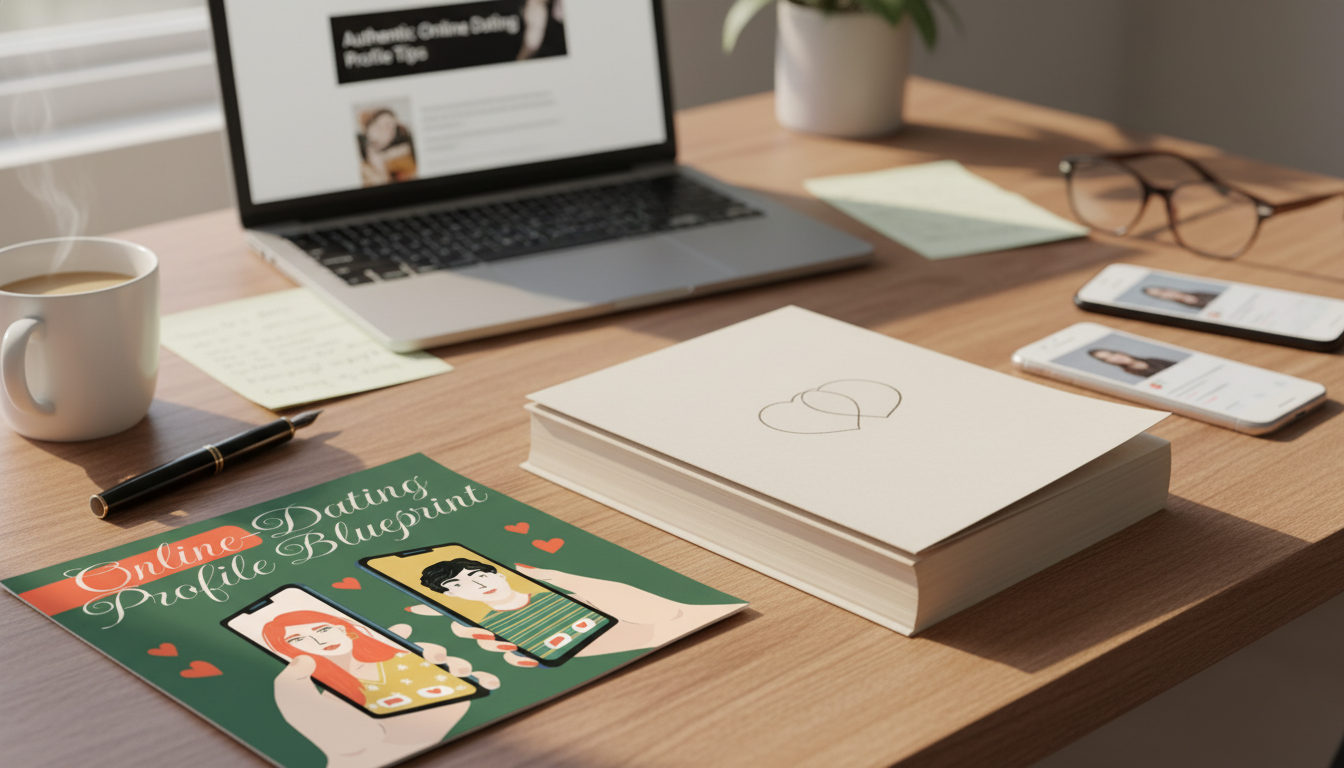
A strong online-dating profile is less about sounding impressive and more about being easy to understand, easy to like, and easy to respond to. The goal is simple: reduce confusion, set honest expectations, and make it effortless for the right people to start a real conversation. Below is a practical, do-this-next approach to photos, writing, and first messages—so matches feel more aligned from the start.
Before rewriting anything, choose a simple “throughline” that matches real life. Think of it as the one-sentence version of you that holds your photos, bio, and prompts together. Examples: “outdoors on weekends, cozy weekdays,” “curious foodie who actually cooks,” or “museum dates and silly humor.”
Once you have that, aim for consistency across the whole profile. If your prompts describe a calm, low-key routine but your photos are all nightlife and weddings, people won’t know what to expect—and uncertainty tends to get filtered out quickly.
Avoid extremes. A profile that feels overly polished can read as distant or “too curated,” while a profile that’s vague can feel risky because it leaves people guessing. A fast self-check: would a close friend recognize you instantly from your profile’s tone, humor, and photo choices?
Your photos do most of the trust-building. “Flattering” doesn’t mean “perfect”—it means clear, current, and recognizable. Lead with a natural-light face photo where your eyes are visible. Save sunglasses, far-away hiking shots, and dim indoor lighting for later in the stack (if you use them at all).
Include at least one full-body photo and one social photo. It’s not about “proving” anything; it simply reduces ambiguity. When people don’t have to guess what you look like day-to-day, they can focus on compatibility instead of uncertainty.
Context photos do a lot of work. A hobby, a casual weekend moment, or a favorite spot signals lifestyle faster than five posed portraits. Keep filters and heavy edits out—mismatches can lower second-date odds even if the conversation is great.
In most cases, 4–6 photos is the sweet spot: enough variety to show range, not so many that you repeat the same angle or vibe.
| Photo slot | Purpose | Simple example |
|---|---|---|
| #1 Lead photo | Clear, friendly, recognizable | Natural light head-and-shoulders, relaxed smile |
| #2 Lifestyle | Shows how time is spent | Cooking at home, hiking trail, bookstore browsing |
| #3 Full-body | Sets accurate expectations | Standing shot on a walk, casual outfit |
| #4 Social proof | Signals connection/community | Small group (you centered), faces visible |
| #5 Interest detail | Adds a conversation hook | Museum exhibit, weekend market, sport/creative project |
| Optional #6 | Warmth or humor | Low-key candid that still looks like you |
Strong writing is specific, concrete, and easy to respond to. Labels like “healthy lifestyle” or “adventurous” are fine, but they land better when you show what they mean in real life: “Sunday meal-prep and weekday gym,” or “one new restaurant a week, plus a comfort-food repeat.”
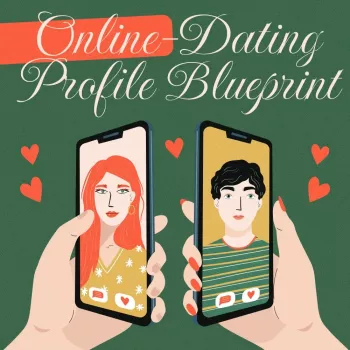
If you want a structured way to draft and refresh everything quickly, the Online-Dating Profile Blueprint (printable guide) is designed to help you choose a clear tone, pick the right photo types, and write responses that sound like you.
Trust and safety matter. Stick to public places, tell a friend where you’re going, and use in-app communication until you’re comfortable. The Federal Trade Commission’s romance scam guidance is a helpful reminder of common red flags and safer habits.
For a deeper look at how online dating impacts people’s experiences—both positively and negatively—see Pew Research Center’s findings on online dating. And if you’re curious how attraction works beyond “types,” the American Psychological Association’s overview of attraction research is a solid starting point.
If you want a quick, organized refresh (or you’re joining a new app and don’t want to start from scratch), the Online-Dating Profile Blueprint | Printable Guide to Authentic Dating Profiles, First Messages, and Better Matches is designed for fast edits, clearer tone, and more natural conversation hooks.
And if your dating life is competing with big goals—like launching projects, validating ideas, or building a career shift—clear self-presentation helps everywhere. The Find Your Next Big Business Idea Toolkit – Trendspotting, Market Gaps, Validation, MVP Tests & Idea Scorecard (Ebook) can support that clarity on the professional side, so your dating profile doesn’t have to carry the entire weight of “figuring everything out.”
Usually 4–6 photos is a practical range: enough to build trust and show variety without repeating yourself. Include a clear face photo, at least one full-body shot, one lifestyle/context image, and one social photo.
Reference a visible detail from a photo and add an easy either/or question. Examples: “That looks like a great trail—are you more of a sunrise hike or sunset walk person?” or “Your coffee photo is a vibe: latte loyalist or cold brew year-round?”
Keep them minimal and frame them as what works for you (not a list of dislikes). For major values or safety-related boundaries, it’s fine to be clear, but detailed compatibility checks usually land better in conversation.

Leave a comment